Why Bringing on a Residential Electrician Is Indispensable for Home Safety!
Engaging a residential electrical specialist is vital for maintaining home protection. Numerous residents fail to appreciate the complications of wiring networks. DIY undertakings can create dangerous situations, including electrical fires or electrical trauma. Licensed electrical experts provide critical knowledge, confirming adherence to local standards and protective measures. The ramifications of disregarding appropriate electrical installation can be extreme. Realizing the worth of professional guidance can establish a meaningful change in home safety. What specific advantages can these specialists deliver?
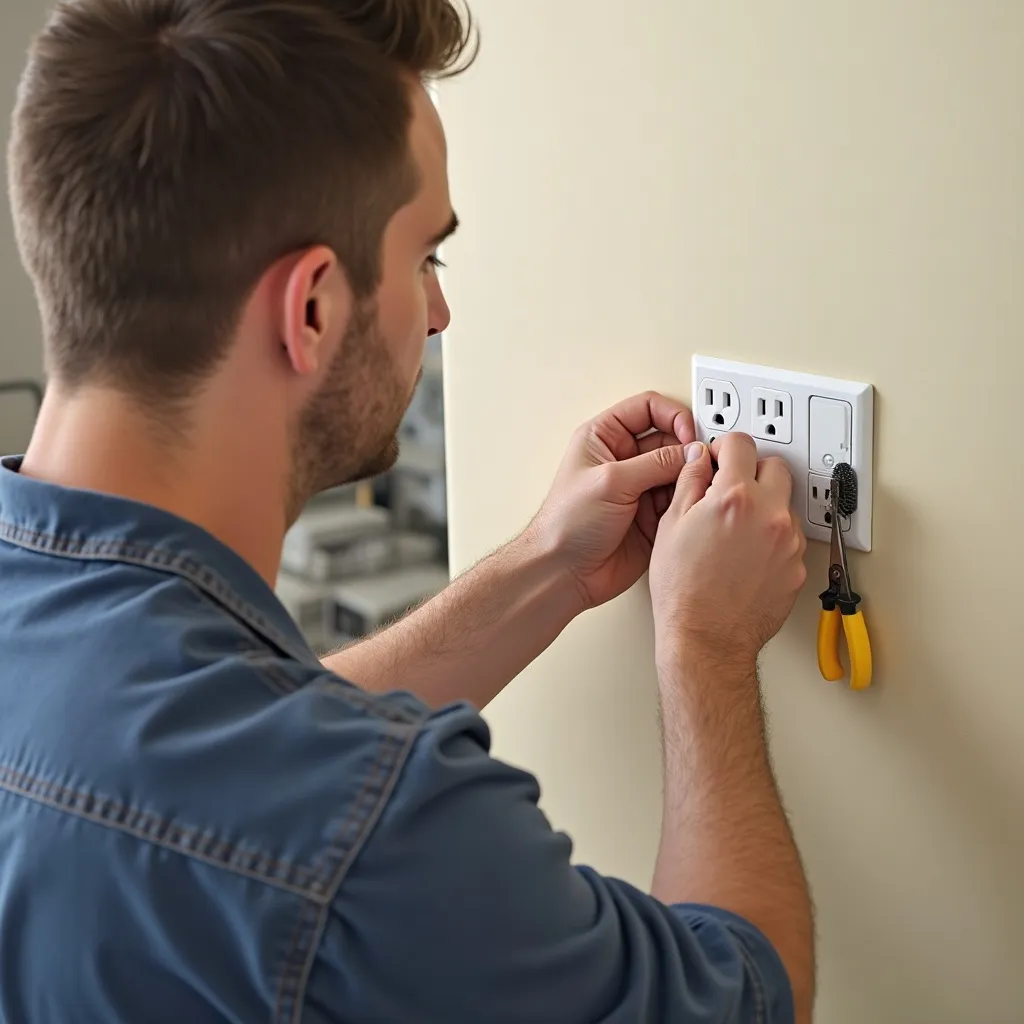
Recognizing the Hazards of Do-It-Yourself Electrical Undertakings
Engaging in do-it-yourself electrical projects can seem appealing for property owners seeking to reduce costs, but it poses considerable risks. Many people overlook the complexity of electrical infrastructure, often resulting in improper installations or repairs. This lack of expertise can result in electrical failures, fires, or electrocutions, putting at risk both the homeowner and their property.
Moreover, DIY tasks may not conform to local building codes, which might result in legal complications or costly fines.
Moreover, without the proper tools and safety equipment, house owners may expose themselves to hazardous situations. Even ostensibly easy projects, such as replacing a light fixture, can have unanticipated problems if not completed correctly.
The potential for long-term damage to the home's wiring infrastructure is also a worry.
The Know-how That Keeps Your Home Protected
When tackling home safety issues, a residential electrician's knowledge proves paramount.
They carry out detailed safety examinations, making sure all systems are working properly and satisfy regulatory standards.
Furthermore, their grasp of code requirements and expert diagnostic expertise mitigate potential hazards before they develop into serious concerns.
Thorough Protection Inspections
A detailed safety assessment executed by a certified residential electrician is vital for maintaining a protected home setting. During this operation, electricians inspect electrical systems, outlets, and electrical panels to uncover potential problems.
They examine for outdated components that may pose fire risks or result in electrical failures. Additionally, they examine the grounding and bonding systems to confirm they meet safety standards.
By recognizing problems such as overloaded circuits or faulty wiring, electricians supply homeowners with practical recommendations to reduce risks. These inspections not only enhance safety but also promote energy efficiency, potentially reducing utility bills.
In the final analysis, routine safety inspections safeguard both the home and its residents, assuring a reliable electrical system that performs reliably.
Code Compliance Confirmation
Code compliance assurance acts as an essential factor explore this in guaranteeing the safety and reliability of residential electrical systems.
Professional electricians are experienced in local, state, and national electrical codes, which are developed to shield homeowners from conceivable threats. These codes encompass various aspects, such as wiring methods, circuit protection, and grounding techniques, all crucial for safe operation.
By adhering to these codes, electricians reduce the threat of fire hazards, electrical shock, and equipment failure. Moreover, regulatory adherence is frequently a requirement for home insurance and can impact home value.
Homeowners who engage a licensed electrician ensure that their electrical work meet necessary standards, providing reassurance and a healthier living space.
Advanced Repair Techniques
Electrical systems may encounter difficulties despite following safety codes. When problems surface, specialized diagnostic abilities become necessary.
Residential electricians have advanced expertise and qualifications that allow them to detect problems efficiently, often before they escalate into serious dangers. Their ability to analyze complex wiring systems and diagnose issues guarantees that homeowners are not left in the dark—literally and figuratively.
These experts employ cutting-edge equipment and methods to pinpoint issues, whether it's a dimming fixture or a blown circuit. By tackling these problems promptly, they not only return systems to working order but also improve the overall safety of the home.
Ultimately, turning to a professional electrician for diagnostics serves as a preventive measure toward safeguarding both property and residents.
Finding the Appropriate Home Electrical Contractor
Choosing the best home electrician calls for careful thought of various essential elements.
Home buyers should confirm credentials and authorizations to ensure compliance with local regulations.
In addition, examine the electrician's experience and knowledge, and request thorough estimates for openness.
These steps help in making an informed decision that focuses on safety and quality.
Check Documentation And Licenses
Before engaging a residential electrician, it is essential to confirm their credentials and licenses to ensure adherence with local regulations and industry standards. This step ensures that the electrician has completed the necessary training and has the knowledge required for secure and effective electrical work.
Validating proper licensing shields homeowners from potential liabilities and guarantees that the electrician follows safety protocols. Additionally, confirming credentials can help pinpoint professionals who keep pace with the latest industry practices and technologies.
Property owners should ask for proof of insurance and verify that the electrician maintains any necessary credentials. Following these steps not only enhances safety but also fosters trust in the quality and reliability of the electrical services provided.
Analyze Experience And Expertise
Determining the competence and experience of a home electrical specialist is essential for achieving high-quality workmanship. A accomplished electrical professional typically brings a wealth of knowledge gained through years of practical field experience. This foundation enables them to operate with assorted electrical configurations and troubleshoot issues proficiently.
Potential clients should ask regarding the electrician's specific areas of expertise, such as residential wiring, lighting installations, or electrical repairs. In addition, understanding the kinds of projects they have previously completed can provide insight into their capabilities.
Testimonials and reviews from previous clients can also serve as valuable resources in determining reliability and quality of service. By thoroughly evaluating an electrician's experience and expertise, homeowners can make informed decisions that prioritize safety and efficiency.
Acquire Detailed Pricing
How might property owners ensure they receive fair pricing and excellent workmanship when hiring a home electrical contractor? An effective strategy is to request detailed estimates from several electrical professionals.
This method not only helps with evaluating costs but also provides insights into the scope of work involved. Homeowners should verify that estimates include labor, materials, and any additional fees. A clear estimate reflects the electrician's professionalism and willingness to communicate.
Additionally, it allows homeowners to raise concerns regarding any unclear charges, encouraging a deeper understanding of the project. By getting various estimates, homeowners can reach sound decisions, thereby assuring they engage a qualified residential electrician who meets their needs while adhering to safety standards.
Primary Electrical Issues Most Handled by Professionals
If electrical problems develop in a home, it's important to understand which problems require professional expertise. Common electrical issues that should be delegated to certified electrical experts feature frequent circuit breaker trips, which may reveal overloads or faulty wiring.
Flickering lights may reveal more serious problems, such as faulty connections or outdated electrical networks. Additionally, receptacles that are warm or emit a burning smell present serious fire risks and should be inspected right away.
One more concern is the setup of new electrical fixtures or systems, which often demands compliance with local safety standards and codes. Homeowners should also contact professional help for any electrical tasks involving the main service panel, as mistakes in this area can result in dangerous situations.
Why Meeting Standards Is Vital for Safety
Making sure that electrical installations adheres to code compliance is essential in protecting safety within residential environments. Electrical codes are established to minimize hazards such as fires, electrocution, and property damage. These regulations are established based on extensive investigation and industry standards, reflecting the latest safety practices.
When homeowners engage a residential electrician, they gain benefits from the specialist's proficiency in overseeing these codes, making sure all installations and repairs are compliant.
Non-compliance can result in hazardous conditions, including defective electrical systems and insufficient electrical grounding, which may not only create hazards to inhabitants but also affect insurance coverage. Additionally, properties that do not meet code standards can incur penalties or complications during real estate transactions.
In the end, maintaining electrical codes is important for defending lives and property, underlining the significance of retaining qualified electricians for all electrical work.
Gain Enduring Savings Through Professional Installations
Investing in skilled electrical work can yield significant long-term savings for homeowners. Qualified electrical technicians confirm that all electrical networks and setups are installed correctly, decreasing the odds of pricey maintenance and new installations due to substandard workmanship. By adhering to safety codes and using high-quality materials, trained experts minimize the risk of electrical hazards, which can lead to expensive damage or even uncontrolled fires.
In addition, energy-efficient installations can lower utility bills over time. For instance, upgrading to energy-efficient lighting and appliances can result in considerable savings on electricity costs. Additionally, professional electricians can suggest solutions on refining electrical infrastructure for better efficiency.
In the end, while the initial cost of contracting a qualified electrician may seem pricier than a DIY strategy, the extended benefits—including reduced repair costs and lower energy bills—greatly outweigh the upfront investment.
Homeowners can protect their financial assets and properties by prioritizing professional electrical work.
The Assurance That Follows Professional Expertise
Peace of mind frequently follows the decision to retain a professional electrician. Homeowners can be reassured knowing that their electrical systems are in the hands of qualified experts who understand the complexities of wiring, circuits, and safety regulations.
Qualified electricians have the required qualifications and expertise to detect possible dangers, ensuring that installations and repairs comply with safety regulations.
Furthermore, hiring a expert minimizes the risk of electrical problems that could result in dangerous situations such as fires or electric shock. The peace of mind that a qualified individual has completed the work allows homeowners to focus on their everyday routines without being concerned about hidden dangers.
Moreover, numerous experienced electrical professionals offer protection plans for their services, additionally boosting the sense of security.
In the final analysis, depending on a skilled electrician not only safeguards your property but also creates a worry-free atmosphere, allowing households to succeed without the weight of unresolved electrical issues.
Frequently Posed Questions
How Can I Recognize a Qualified Residential Electrician?
To select a qualified residential electrician, one should confirm valid licensing, insurance, and testimonials. Additionally, examining online ratings and seeking advice from loved ones can help confirm the electrician's credibility and competence.
What Are the Warning Signs of Electrical Malfunctions in My Home?
Signs of wiring issues include flickering lights, tripped circuit breakers, outlets that feel warm, smells of burning, and discolored switches. Strange sounds from outlets or appliances may also suggest potential issues requiring prompt action from a licensed electrician.
How Often Should I Have My Electrical System Evaluated?
Property owners should arrange for electrical system inspections every three to five years. Periodic assessments help uncover possible problems early, preserving safety and efficiency while reducing exposure associated with outdated or faulty electrical components in the home.
Can I Do Basic Electric Work on My Own?
While small electrical fixes may appear manageable, it's advisable to consult an expert. Inadequate knowledge can cause dangerous conditions, potential code violations, or expensive repairs, emphasizing the necessity for expert assistance for electrical tasks.
What Would I Implement in Case of an Electrical Emergency?
During an electrical emergency, it is important to quickly shut off the power at the circuit breaker, avoid contact with live wires, and reach out to a qualified electrician for assistance. Safety should always be the top priority.